How to Turn Any Picture Book Into a Preschool Reading Comprehension Lesson
As a former elementary school teacher, I know firsthand how important reading comprehension is, and how much of a difference it can make when children begin building these skills early. But comprehension practice doesn’t have to look like worksheets or formal lessons!
Some of the best opportunities to practice comprehension can happen during something as simple as reading a picture book together. With a few intentional questions and pauses, you can turn almost any story into a fun, natural learning experience for your preschooler.
Why Reading Comprehension Matters for Preschoolers
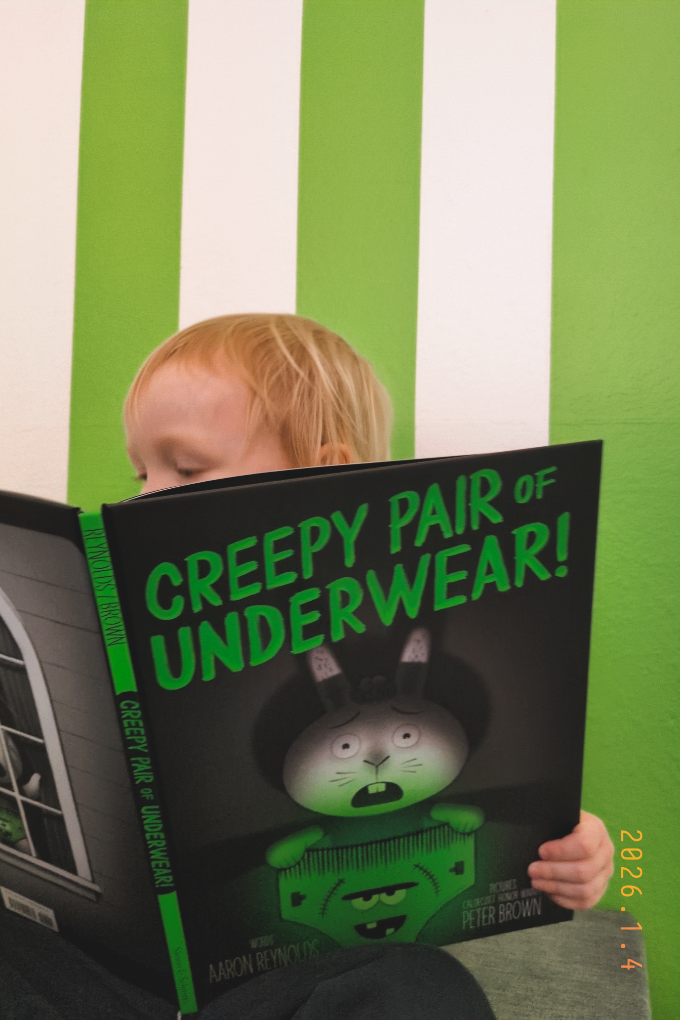
Reading comprehension starts way before children can read independently. In fact, comprehension in general is one of the foundational skills a toddler/preschooler needs to communicate!
Building these skills early on by turning every day picture book read alouds into mini-comprehension lessons makes it seem natural and fun!
You will see your little learner start to predict, sequence events, and make connections in the real world, all stemming from the practice they gained through a picture book!
How to Jump Into Reading Comprehension
I broke this into 3 sections: Before you read the book together, during the read aloud, and after the read aloud. This isn’t a strict guide, but a framework that works for most books! Although, there are some stories that simply do not have enough of a plot to turn them into a comprehension lesson. That doesn’t mean they aren’t great books, just not great for this.
When you first grab a book from the store or library, give it a quick skim to see if it’s a good candidate for a reading comprehension lesson!
Then, find your conflict and resolution. Often it’s fairly easy to determine the main characters, but the conflict can be not-so-obvious at times – and this is where a ton of good comprehensions questions lay.
This is also a great time to have your little one make predictions! The first time they read a book, show them the cover and ask them to predict what this story will be about. (You can reflect on this question afterwards!)
Even though you’ve already skimmed/read this book, it should still bring forth some excitement when you read it together. Act like you don’t know how it ends!
Throughout the book, take breaks to notice pictures, emotions, new vocabulary words, all of it! Don’t ever be afraid to pause a story for a learning moment. Here are a few very general questions you could ask during a read aloud:
- How do you think they will figure this out?
- _____ is a new word, what do you think it means?
- Where are the characters in this story?
- Look at _____’s face, what emotion do you think they are feeling? When have you ever felt that way?
- What do you think is going to happen on the next page?
- If you were in _____’s shoes, what would you do?
- Look at this item, do you know what this is?
Just because you finished the book doesn’t mean the learning is over! Keep the conversation casual and you’ll keep your kiddos attention much after the book is closed.
A lot of the questions you ask after the story is over are reflection questions. You can start simple by asking if they liked the book or not, then you can dive into some more comprehension-heavy questions like this:
- What was your favorite part of the book? Least favorite?
- How did the characters solve their problem?
- Which character did you relate to the most?
- Think back to before we read the book, was your prediction about what this book was about right?
- If you had to tell (family member) what this book is about, what would you say?
How We Practice – Every Day
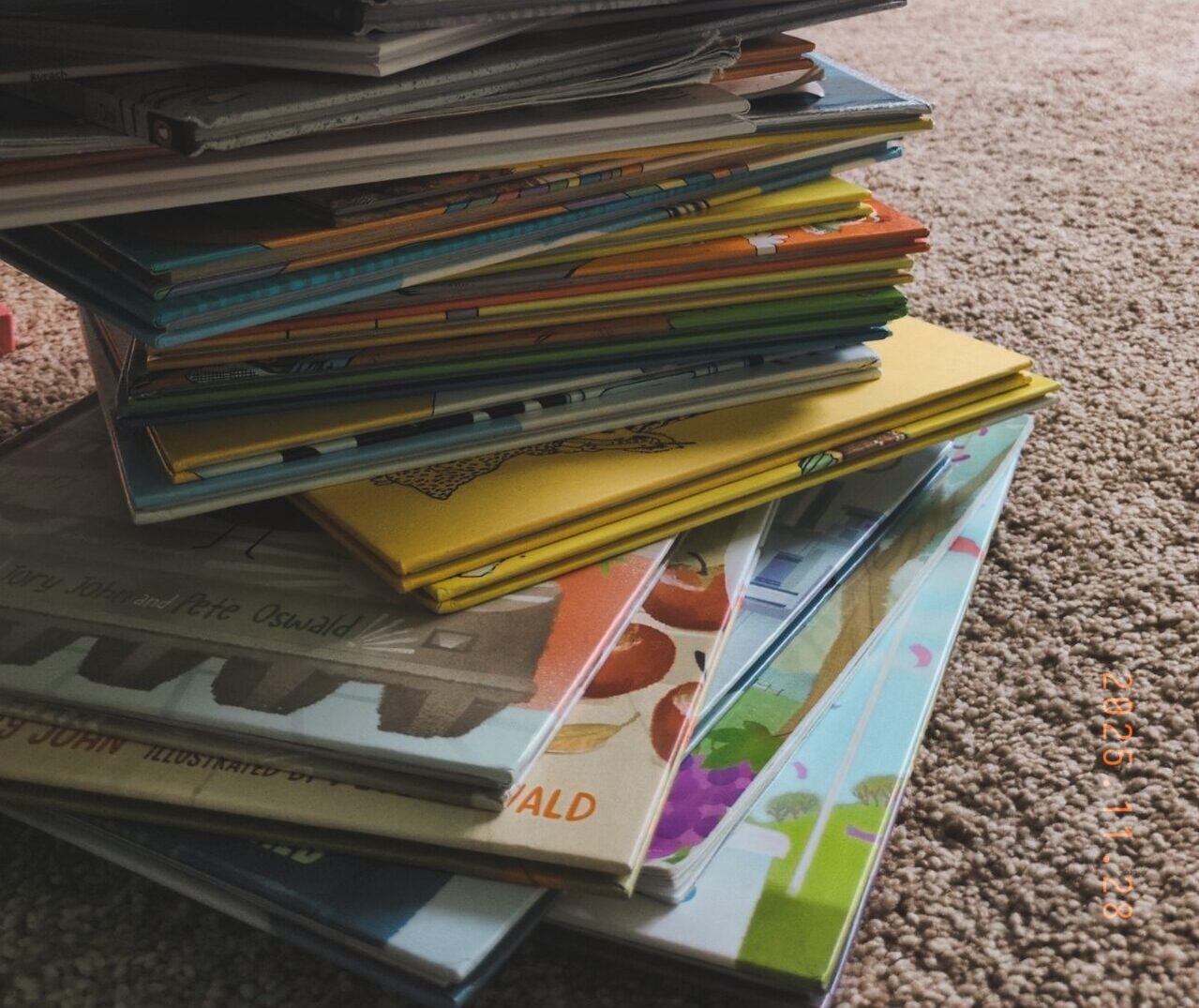
Here’s an example of a book in our home library that’s full of reading comprehension possibilities!
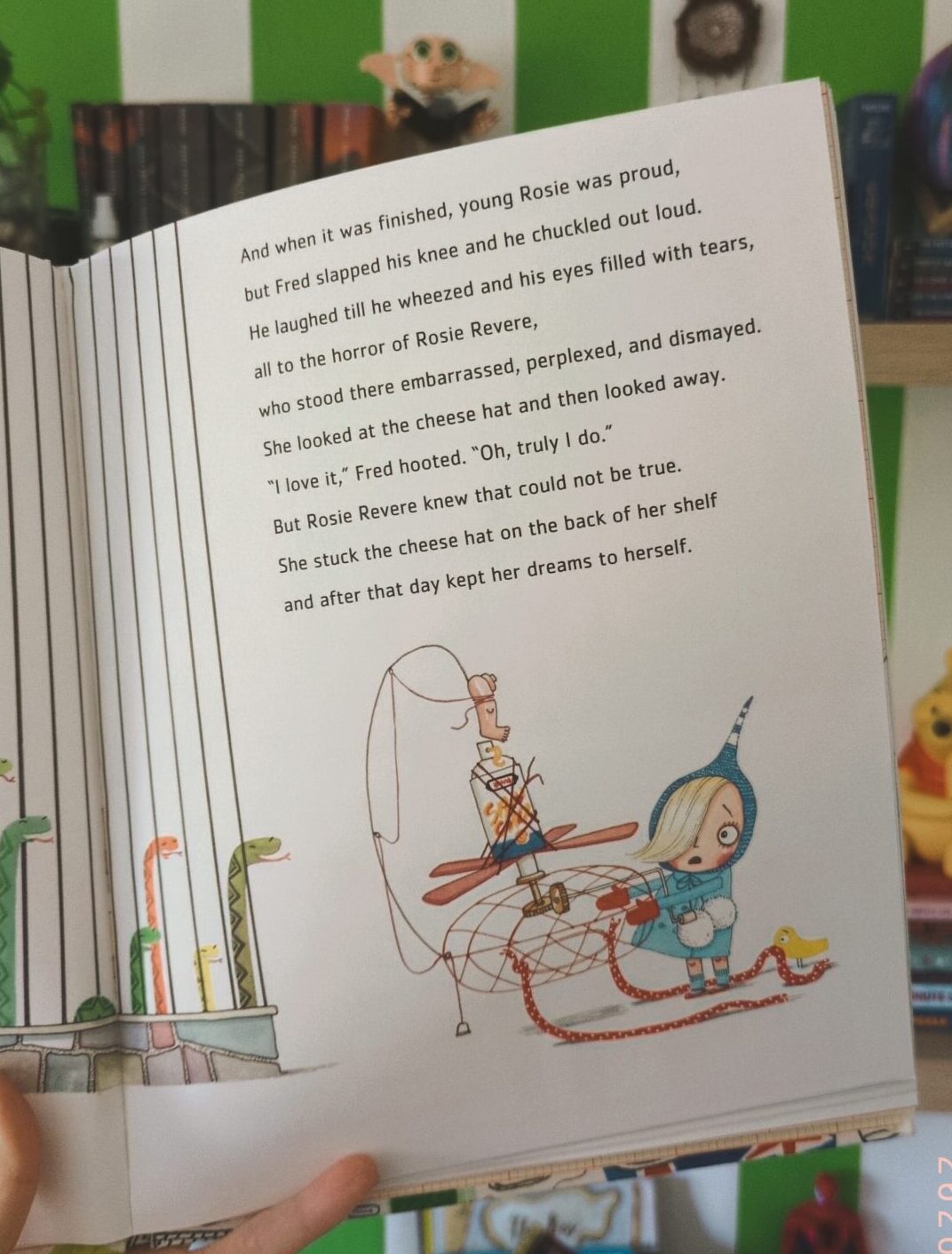
Rosie Revere, Engineer is a tale of a young girl who has dreams of being a great engineer, but lacks the confidence after a misunderstanding with one of her inventions.
This page shows that misunderstanding, so here’s a few of the simple questions I would ask from this page alone:
- How do you think Rosie is feeling right now?
- What do you think the word perplexed means?
- Can you remind me why she made this cheese hat for her uncle?
Affiliate Disclaimer: I may earn a small commission if you purchase through these links, at no extra cost to you. Thanks for supporting my blog!
Sign Up for a Library Card Today
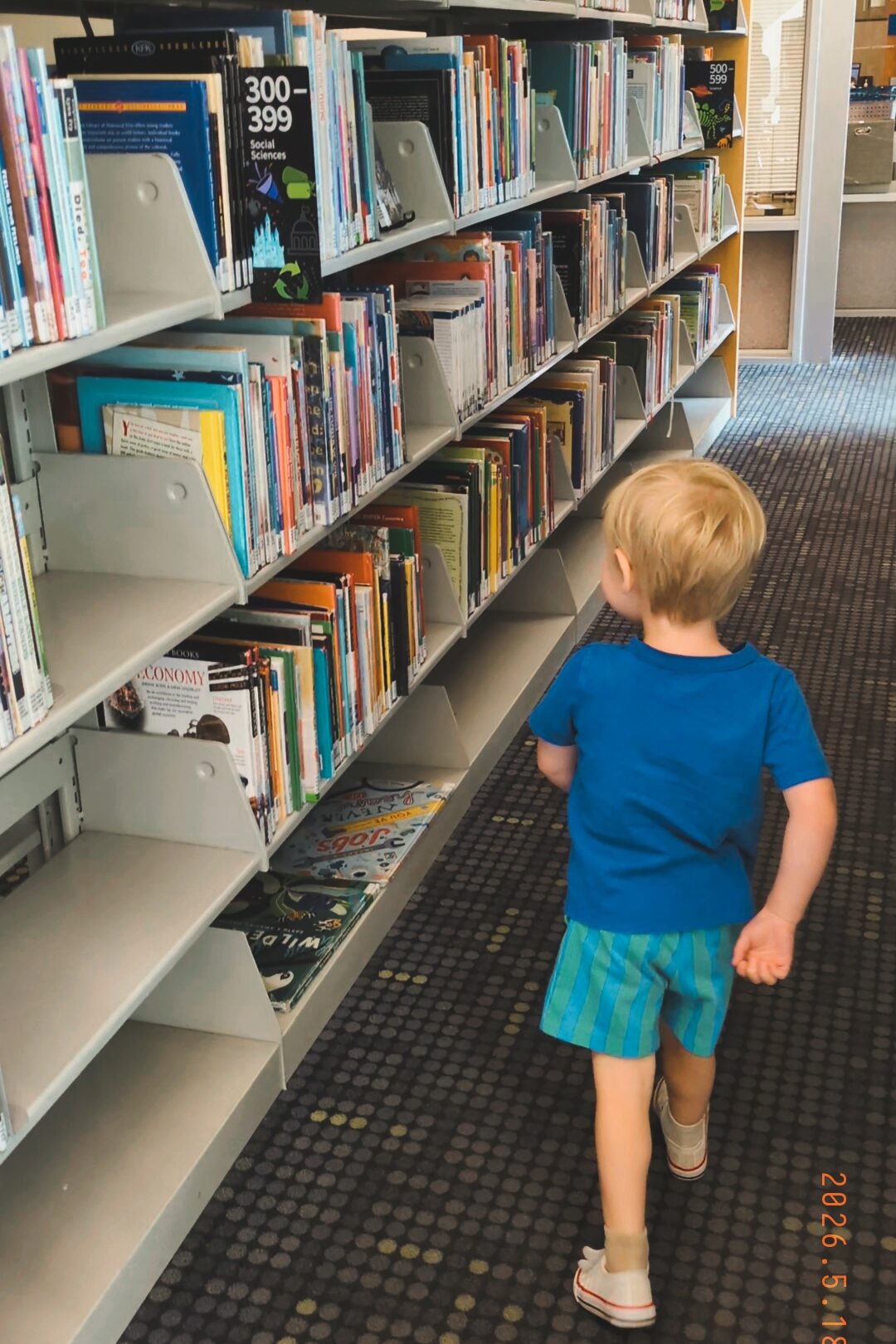
I understand that having a vast collection of books to choose from for these activities is a huge blessing, so I want to reiterate the importance of the public library system!
September is Library Card Sign-Up month, and I have seen firsthand how impactful having a library card can be for young learners. If your child hasn’t already signed up for a library card, now may be the perfect opportunity!
Your child can build a love for reading, while also building reading comprehension skills that will translate into almost every area of their life.
If you want to read more about the benefits of having a library card, I’ve attached my blog regarding this below!
Final Thoughts
Being in the classroom, I saw just how important strong comprehension skills are once children enter school, and the good news is that you don’t have to wait until then to start building them.
You don’t need a special curriculum, complicated activities, or even a huge collection of books. (And with a library card, you can have access to an almost endless supply of stories to explore together!) A simple picture book and a few thoughtful questions can give your little learner meaningful practice with predicting, sequencing, problem-solving, and making connections.
❤️Until Next Time