What We Actually Use for Preschool at Home (6 Daily Must-Haves)
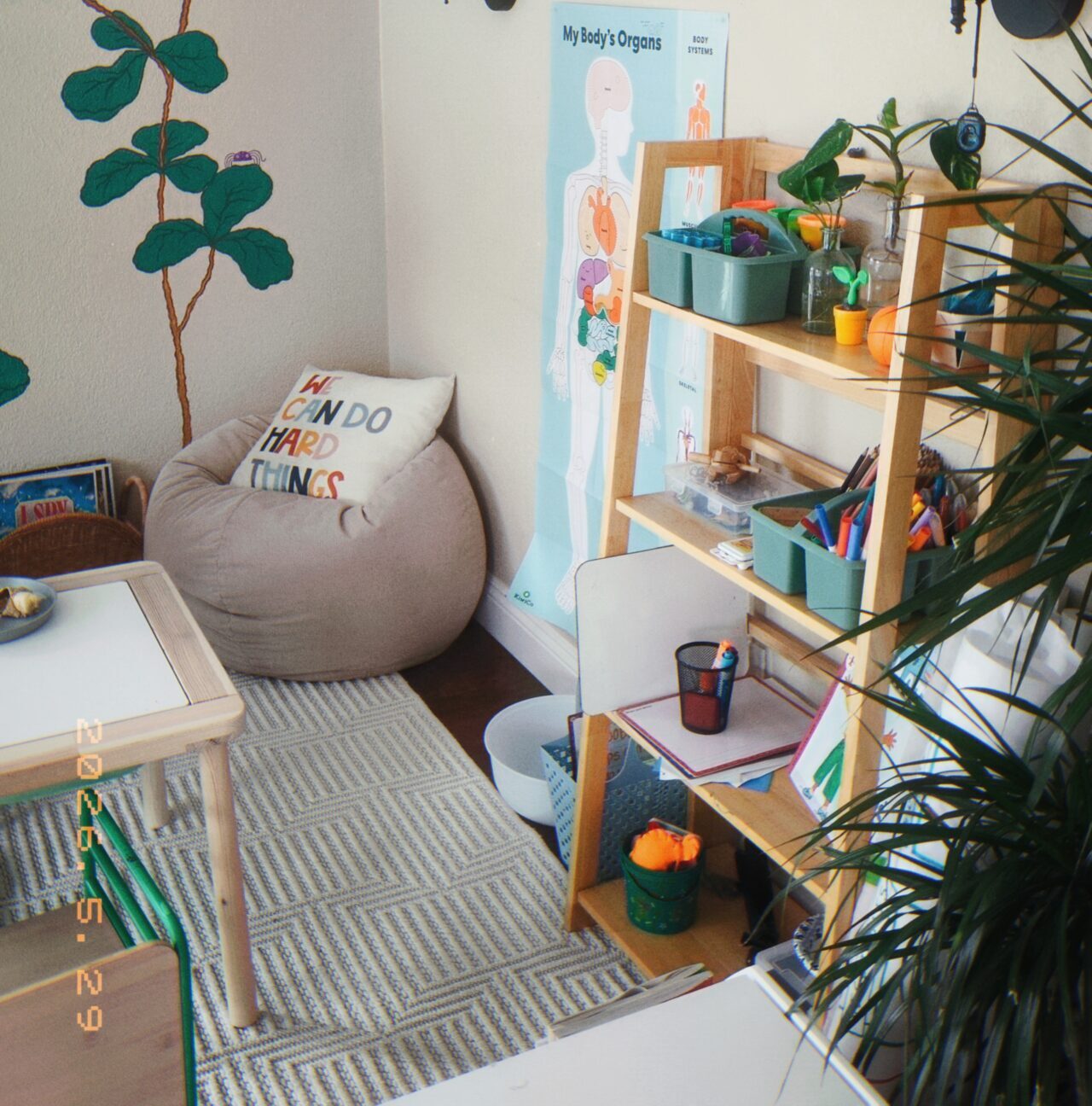
A little over a year ago, I made the decision to step away from my job as an early childhood educator, and stay at home with our son full time. With that came something I’d always been curious about: the chance to do preschool at home, on our own terms. No big classroom, no curriculum boxes stacked to the ceiling, just our little learning corner, a 3-year-old full of questions, and years of classroom experience to draw from.
Throughout this past year I have found some of the most valuable learning tools are surprisingly simple! My son and I are reaching for the same handful of items, day after day. In this post, I’m sharing six everyday essentials that help support learning, creativity, and independence in our preschool at home routine..
1. Whiteboard
A whiteboard is easily our most used item in our learning area. It serves so many purposes, while being lightweight and stable! We use this whiteboard every single day, multiple times a day. I prefer the lapboard versions, but a standing whiteboard would have a similar effect!
Looking back through these pictures has allowed me to see how far my sons writing has come in such a short amount of time, with no crazy strategy other than using this exact board! The daily writing practice has benefited him greatly, as well as allowed him to express himself creatively (without using all of our paper.😅) Here are some of our routine activities using a whiteboard:
- Name Tracing
- Letter Formation
- Recognizing Rhymes
- Number Formation
- Free Draw!
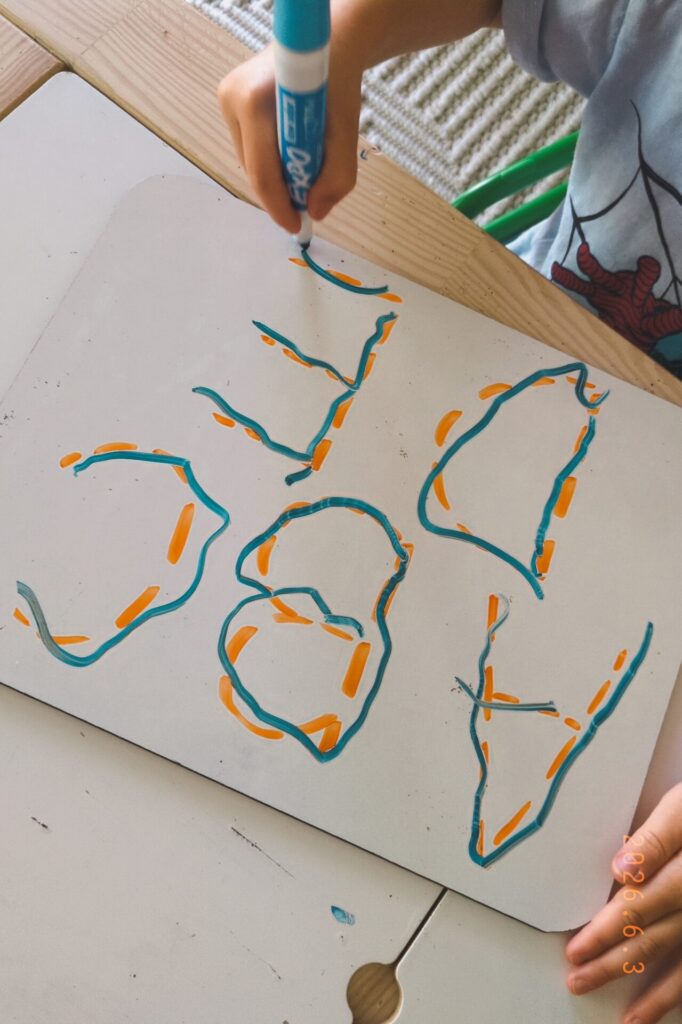
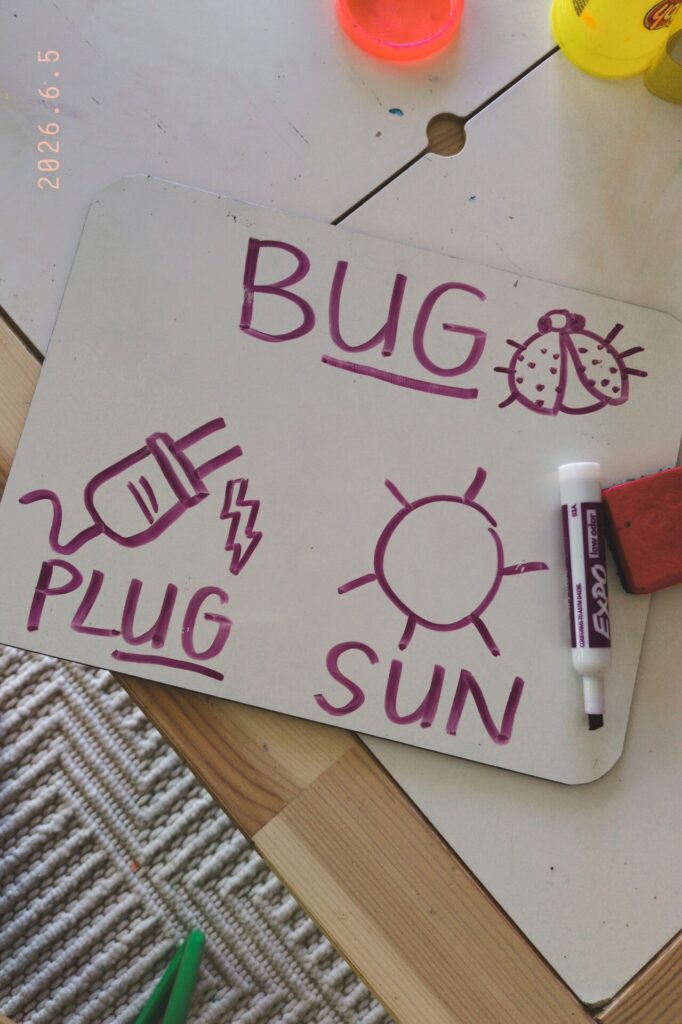
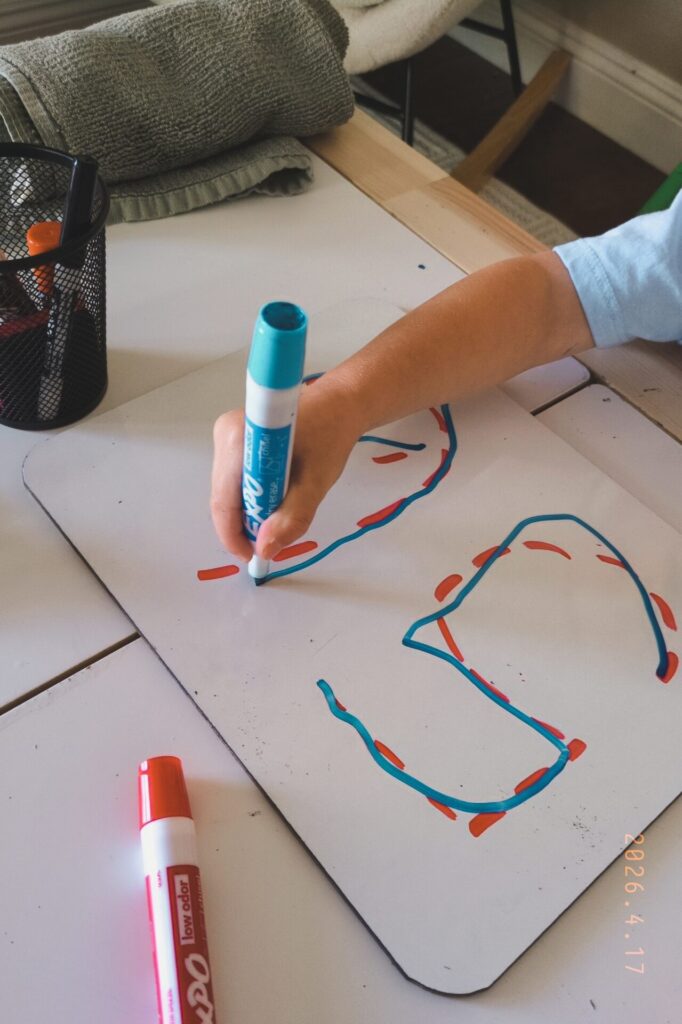
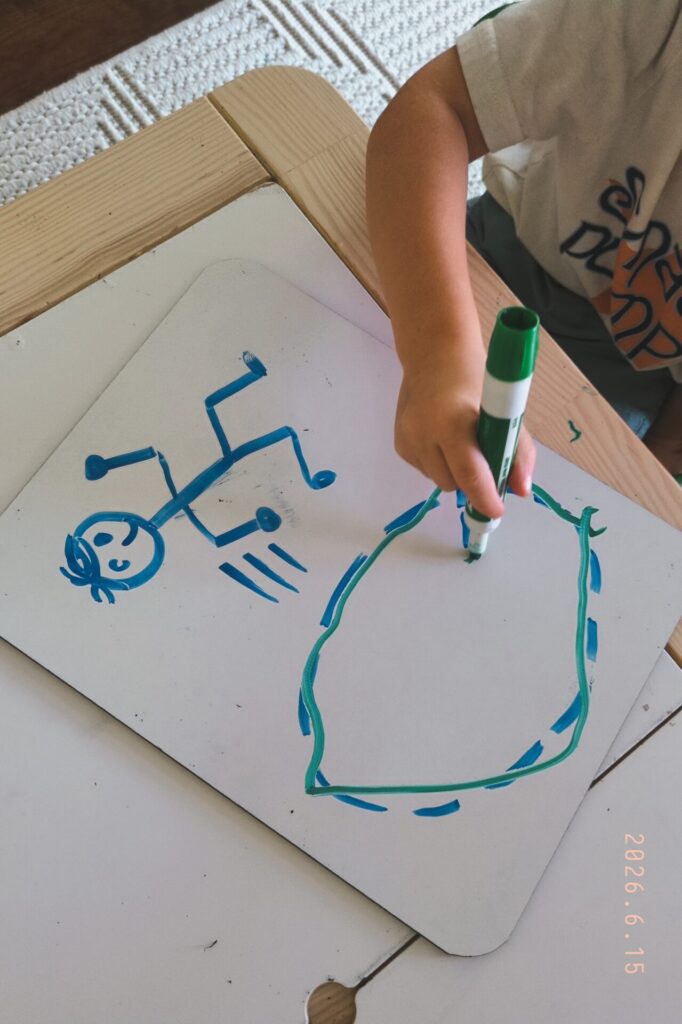
This is the lap whiteboard we use every day!
2. Sensory Table
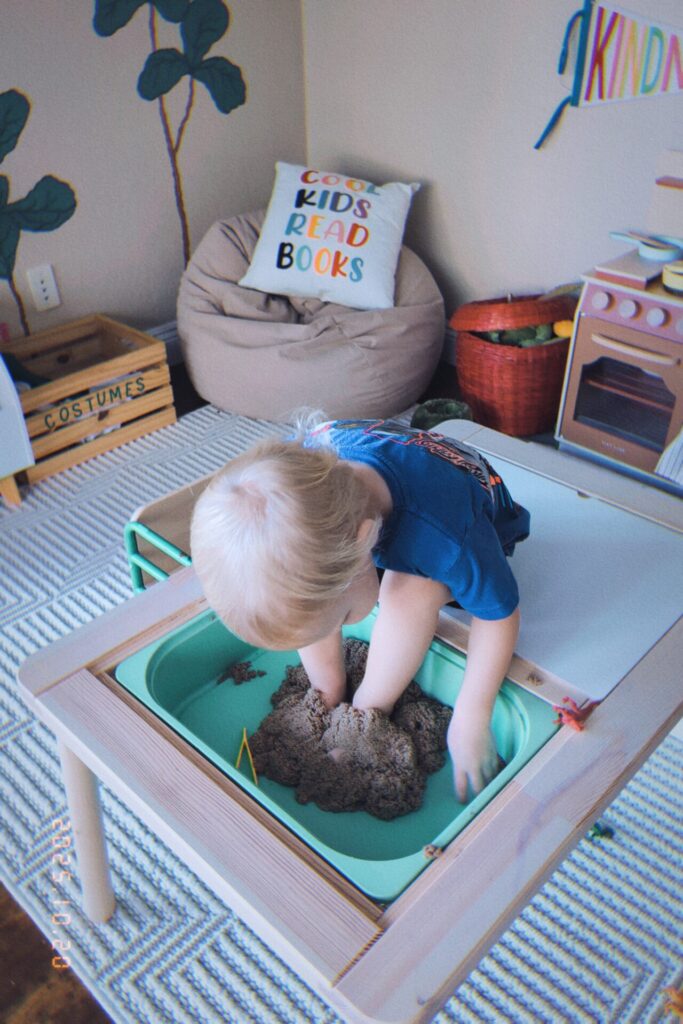
This is the essential space that holds us every day for our learning time, and it has so many wonderful uses!
Having a versatile surface we can work on every day is amazing, and being able to stay in that same space when my kiddo needs a sensory break is even better. It contains messes, opens up doors for curious hands, and keeps our learning time consistent.
Sensory play is one of the pillars of early learning for a reason, little ones learn through their hands first, and the thinking catches up fast.
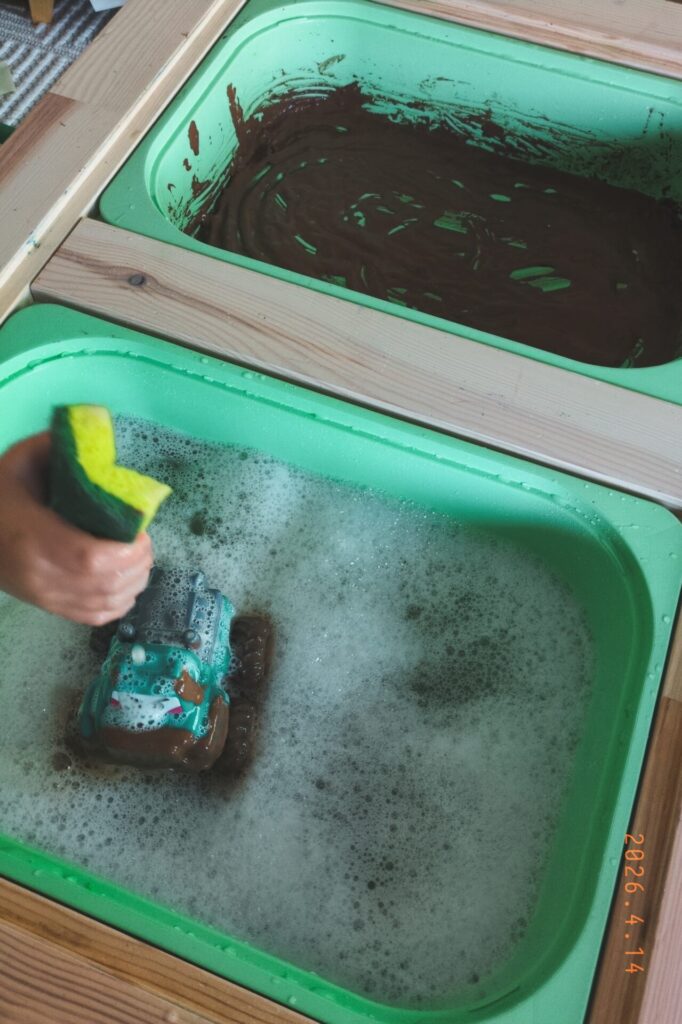
Here are some of the different things our sensory bin has routinely stored for us during learning time:
- Kinetic Sand
- Water
- Kitchen Ingredients
- My whole toddler 😂
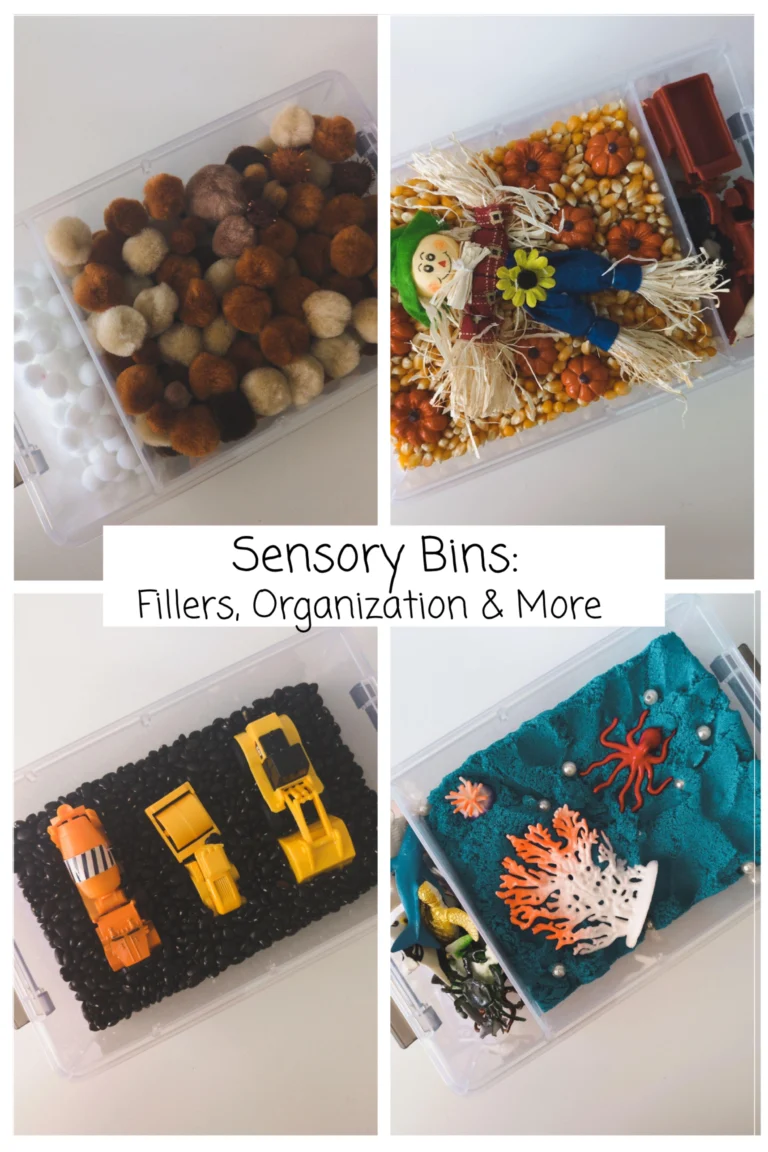
Plus here are 5 sensory bin setups you can rotate year round to get started!
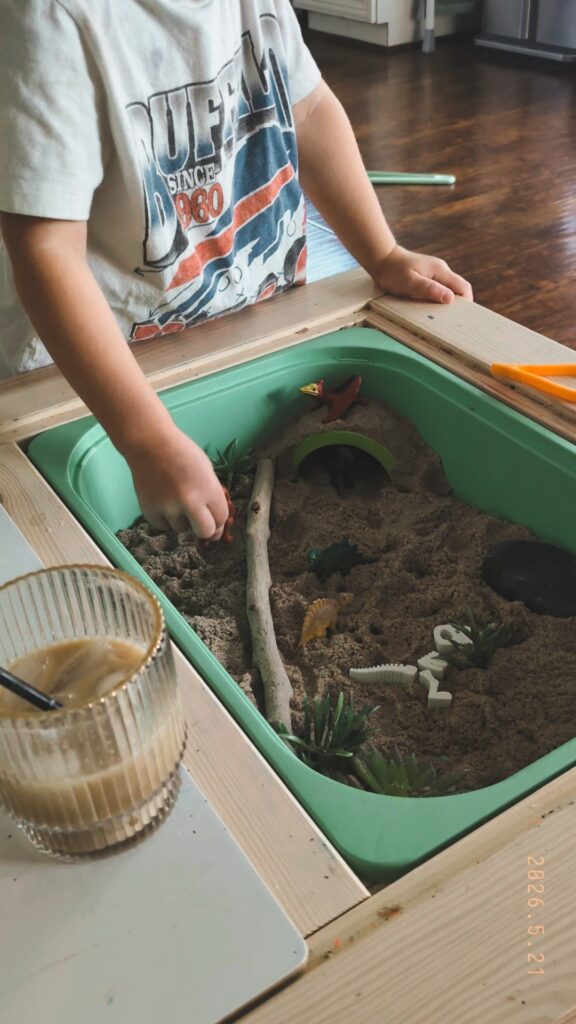
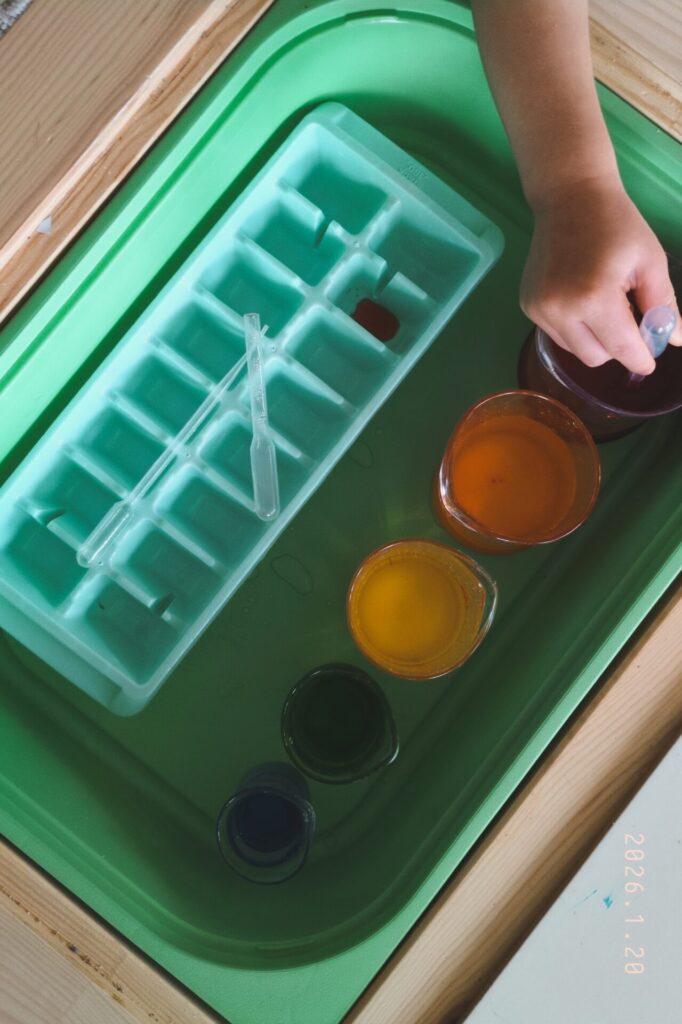
You can make a sensory table the center of your learning time too, using this link!
3. Hands On Play Items
Hands-on play is where so much of the real learning hides. Fine motor skills, problem-solving, focus, patience, all disguised as “just playing.” And here’s the best part: these supplies are likely toys you already have!
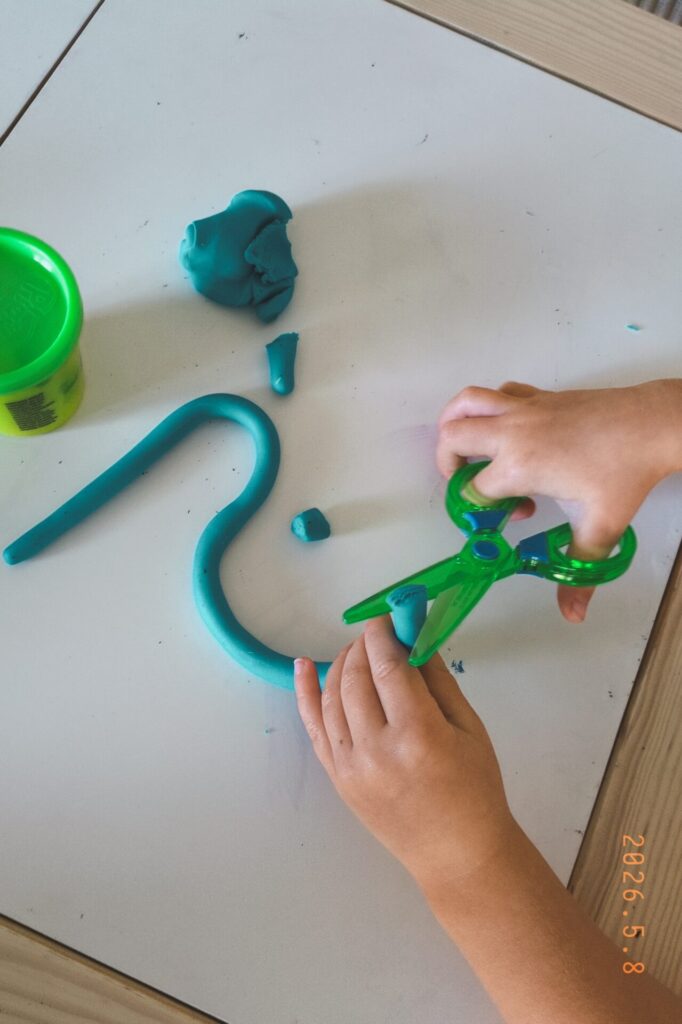
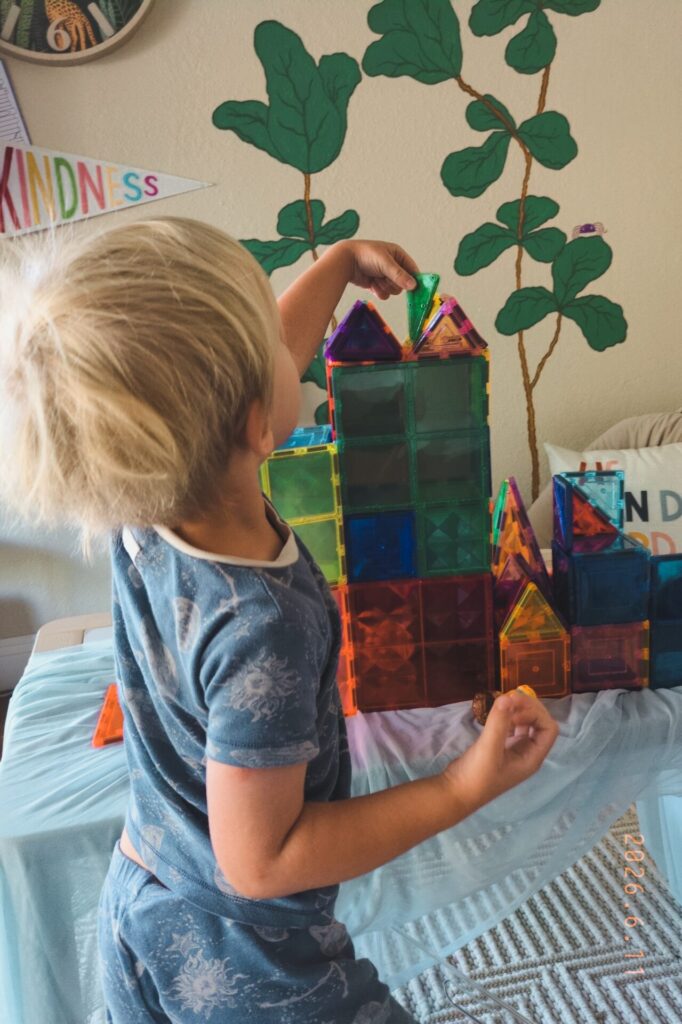
Here are our go-to hands-on supplies, and a peek at what we actually do with them:
- Play-Doh: secretly building the hand strength he’ll need for writing later, while he thinks he’s just making snakes and pancakes 🐍🥞 I actually wrote about 5 skills you can teach just using Play-doh in a previous blog!
- Plastic scissors: one of the best fine-motor builders there is, and he feels so grown-up using them for all sorts of cutting activities!
- Magnatiles or Blocks: open-ended building at its finest; he’s stacking and balancing while quietly soaking up early lessons in geometry, gravity, and “if I build it this way, this happens…” Plus you can do even more, like these 3 easy Magna-Tile learning games!
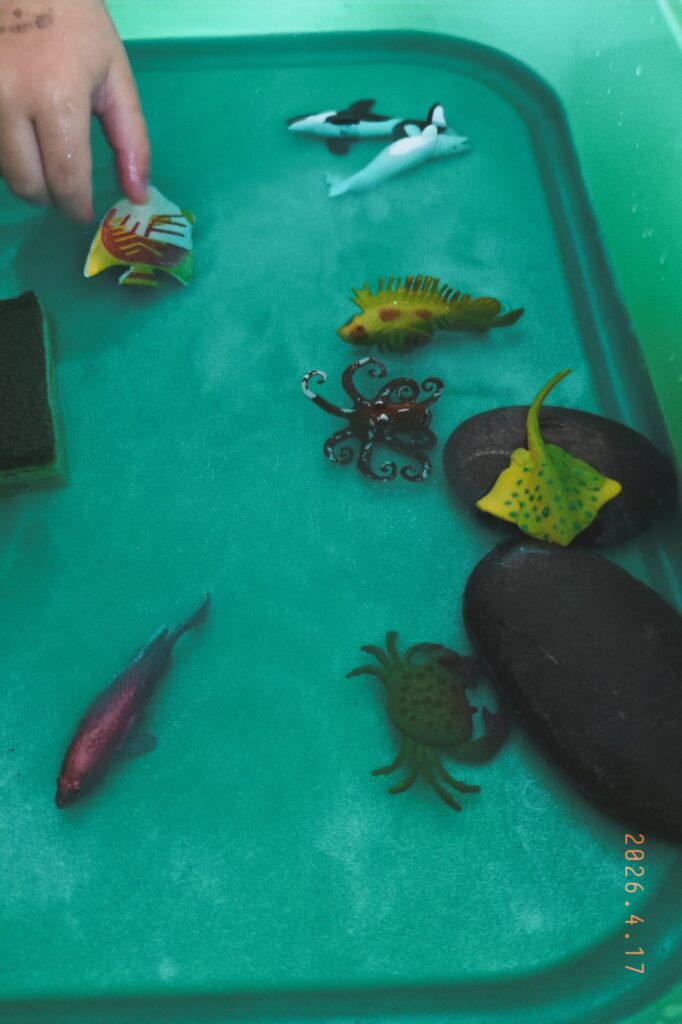
- Little Figures: animals, dinosaurs, people… these are imagination rocket fuel 🚀
4. Calendar & Visual Schedule
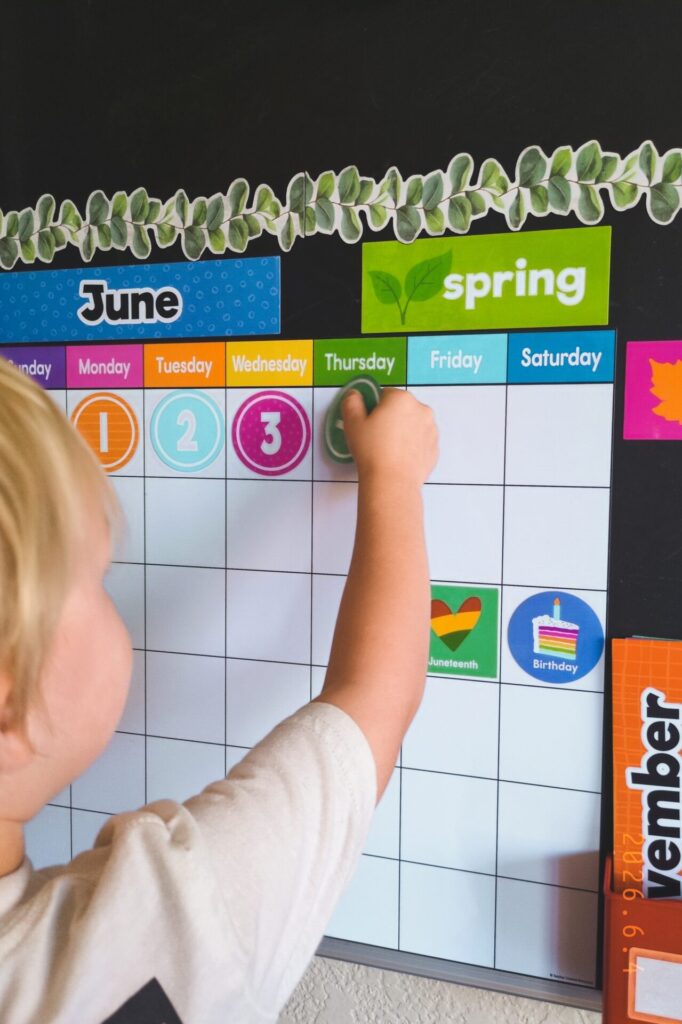
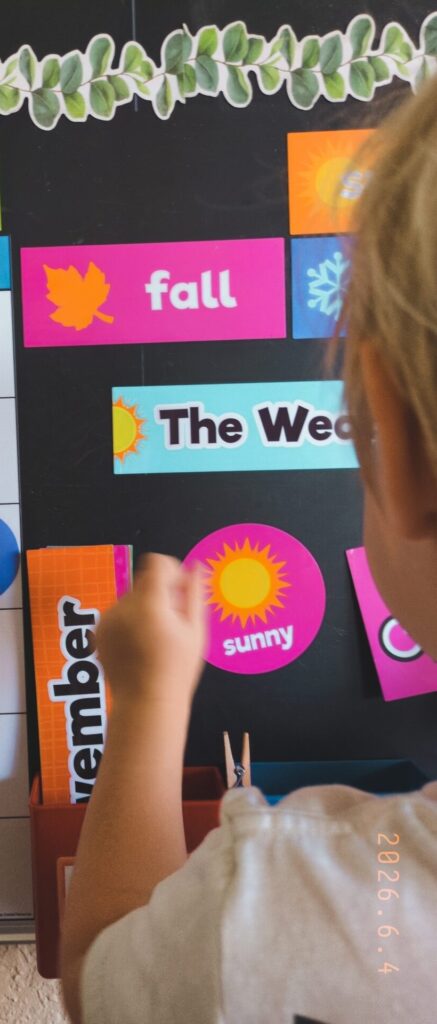
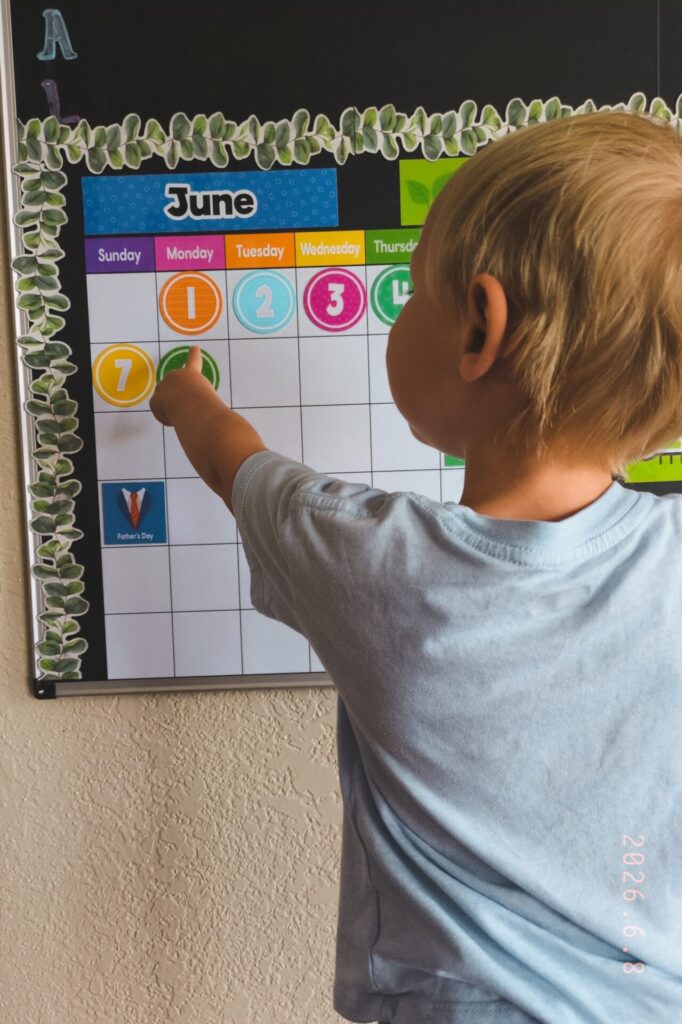
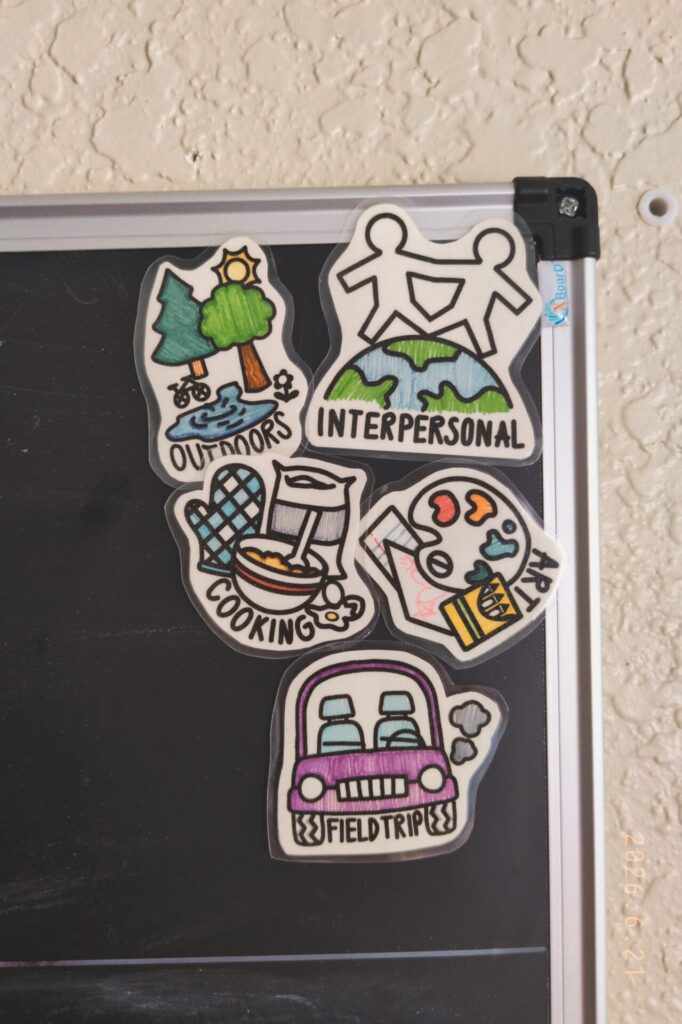
Both a calendar and visual schedule are perfect opportunities to offer a predictable way to start learning time every day!
There’s real science behind that predictability, too. When a young child knows what comes next, their brain isn’t busy bracing for the unknown, it’s free to actually learn.
Every morning our learning time starts with the day of the week, date, season, and weather. If something special is on the horizon, we add a little picture token to mark that as well. The amount of mini-learning opportunities in just that opening moment is insane! It’s been a great way to transition into learning, and my son has loved making it his own little job.
5. Art Supplies Caddy
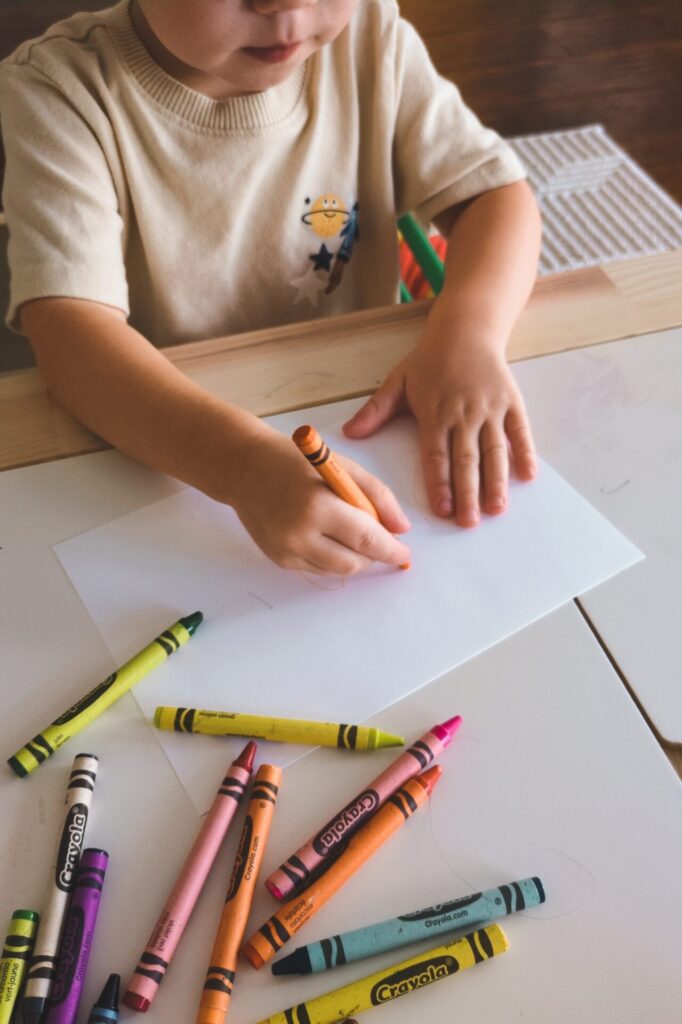
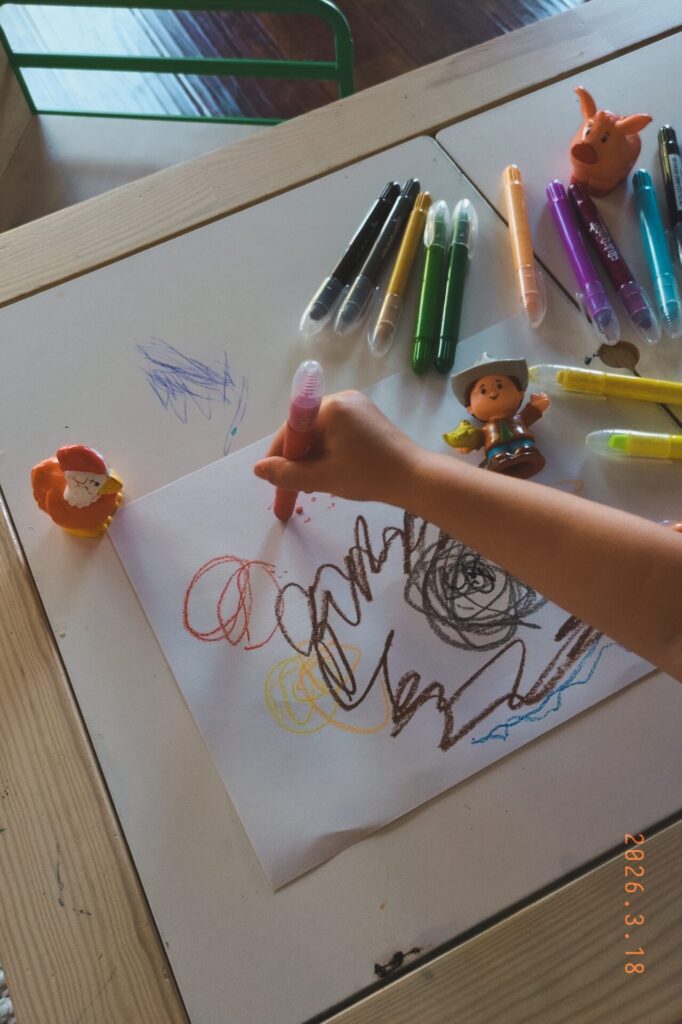
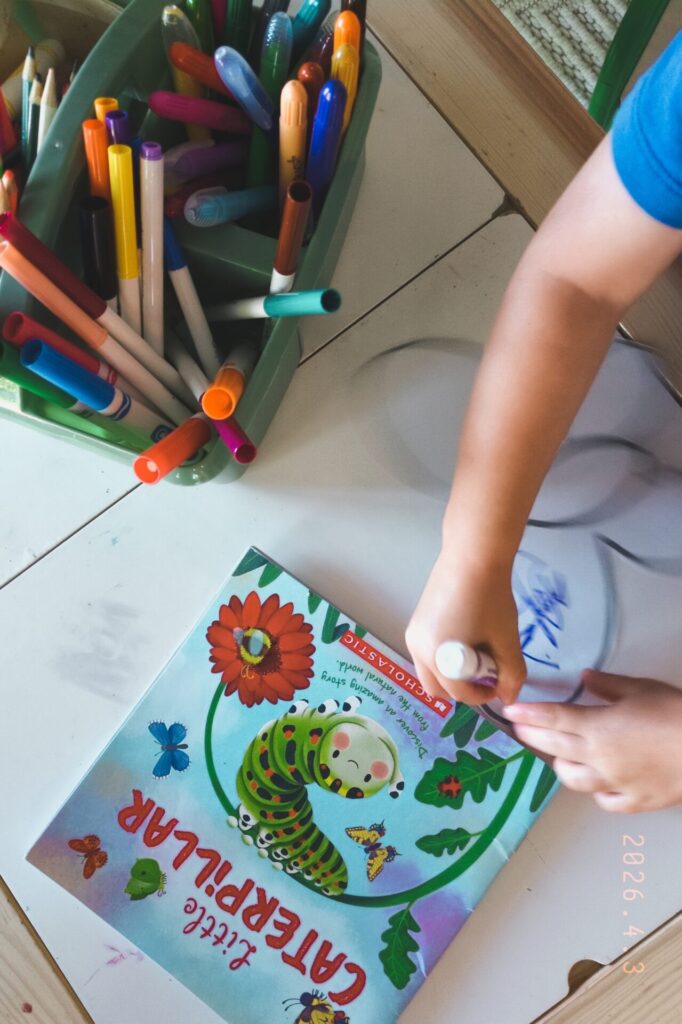
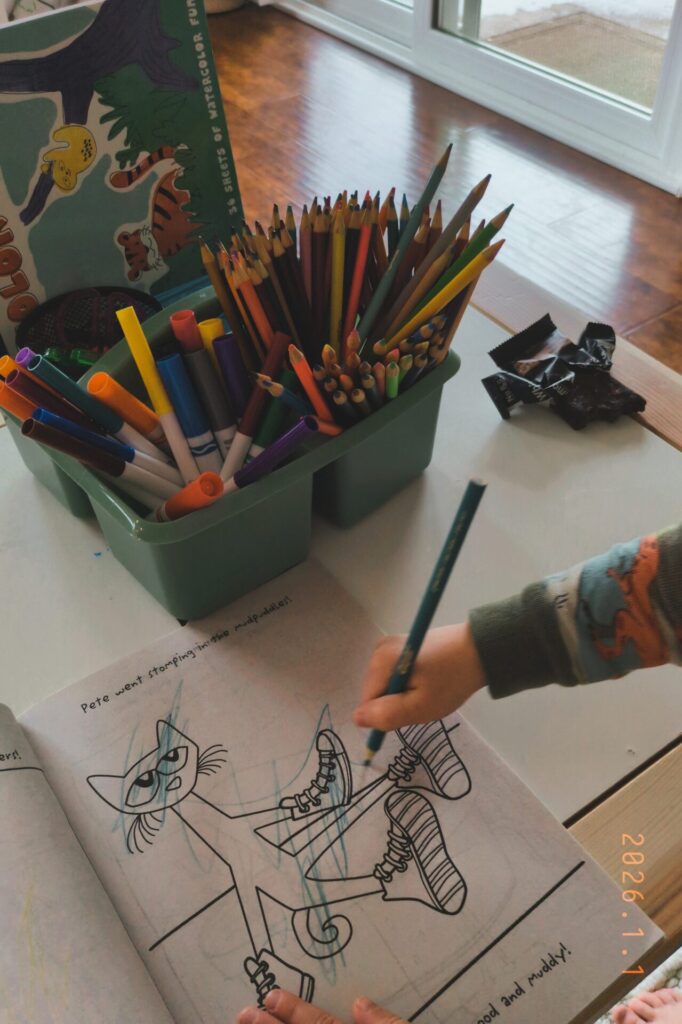
Early learners need time to work creatively, as it strengthens neural pathways and builds confidence! Although, as a mom, I struggle with the idea of having art supplies thrown about begging to be broken and stepped on.
Having a dedicated caddy for all of our art supplies helped solve this for me. I know it’s within arms reach for any art project we take on during our learning time, and my son knows he’s welcome to grab it independently whenever the time permits.
Everyday-art is so much more doable now, and we are able to incorporate those same supplies into a ton of different lessons! Here are some of my favorite ways to use a handy-dandy-art-caddy:
- Creating Diagrams
- Color-Coding alphabet/number charts
- Portraits
Organize your life (but mostly art supplies 😅) by clicking here!
6. Child-Sized Bookshelf
READING TO YOUR KIDS IS SO IMPORTANT! Whew, okay, I just needed to get that out. But it’s true! Building a lifetime love for reading starts when they are young, and bringing children’s literature into your learning routine is a great way to do that.
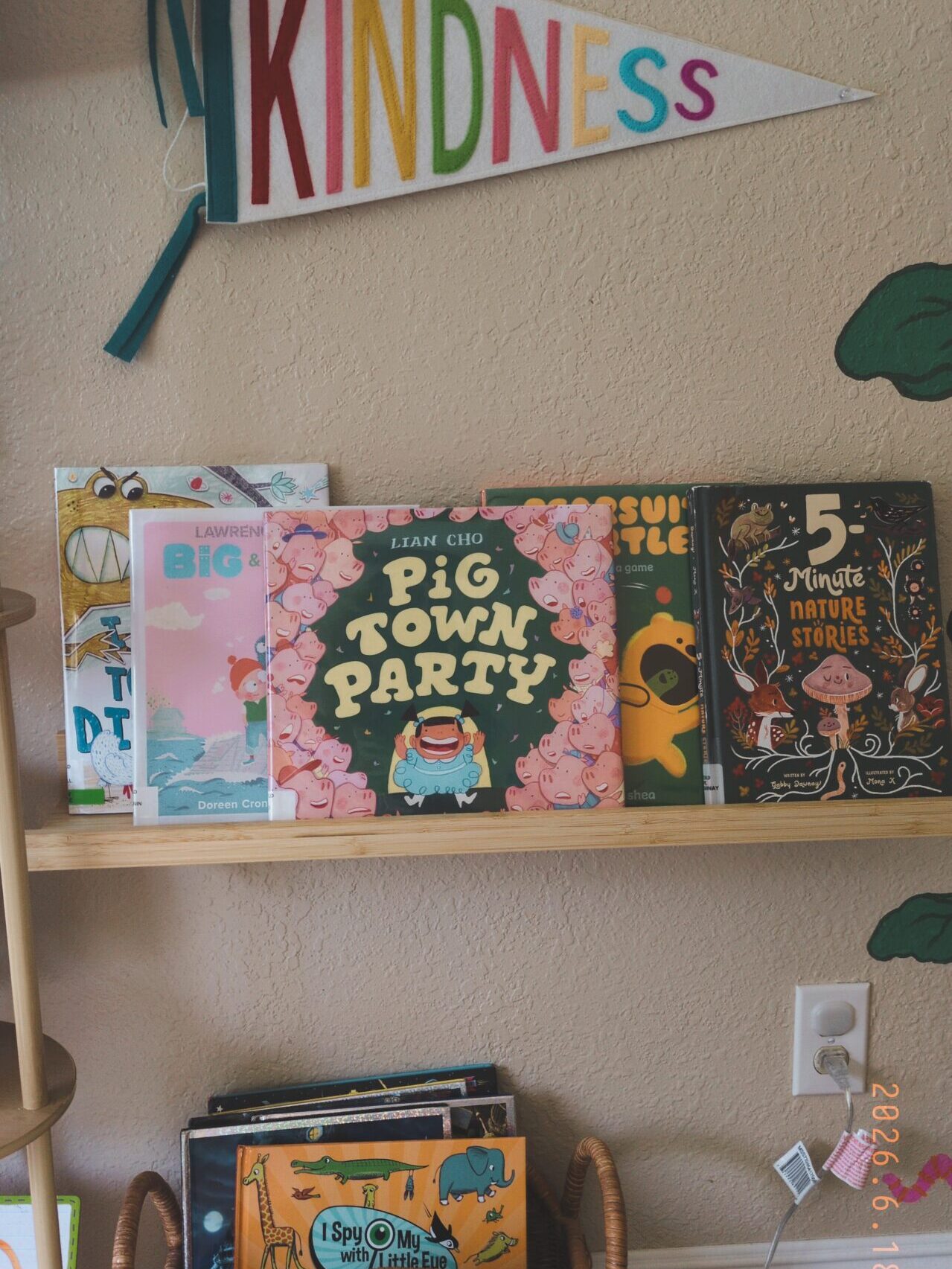
Our bookshelf is at my son’s height, so he can pick whatever book is intriguing to him at that time. It also makes sure he’s capable of putting them all back where they belong, long after we have read them.
We read multiple books, every day. Sometimes it’s just for fun, other times it’s to ask comprehension questions, or gain a new understanding of something. Whatever your reason is for reading, I highly encourage it as an important piece of your everyday learning routine! 📖♥️
Affiliate Disclaimer: I may earn a small commission if you purchase through these links, at no extra cost to you. Thanks for supporting my blog!
Bonus – Our Favorite Wiggle Break
This is a non-physical piece of our learning routine that I could not live without. These videos are the perfect combination of quick, non-stimulating, and lovable. Whenever my son needs a quick wiggle break reset to keep the learning going, I know I can turn one of these on!
Final Thoughts
The best learning spaces don’t have to be complicated or expensive. A few thoughtfully chosen tools can create endless opportunities for exploration, skill-building, and meaningful connection throughout the day! These six essentials have become staples in our preschool at home routine because they make it easy to weave learning naturally into our everyday routine, while remaining full of educational purpose. 🍎
❤️ Until next time