5 Skills You Can Teach Your Toddler Using Play-Doh (Beyond Just Fun)
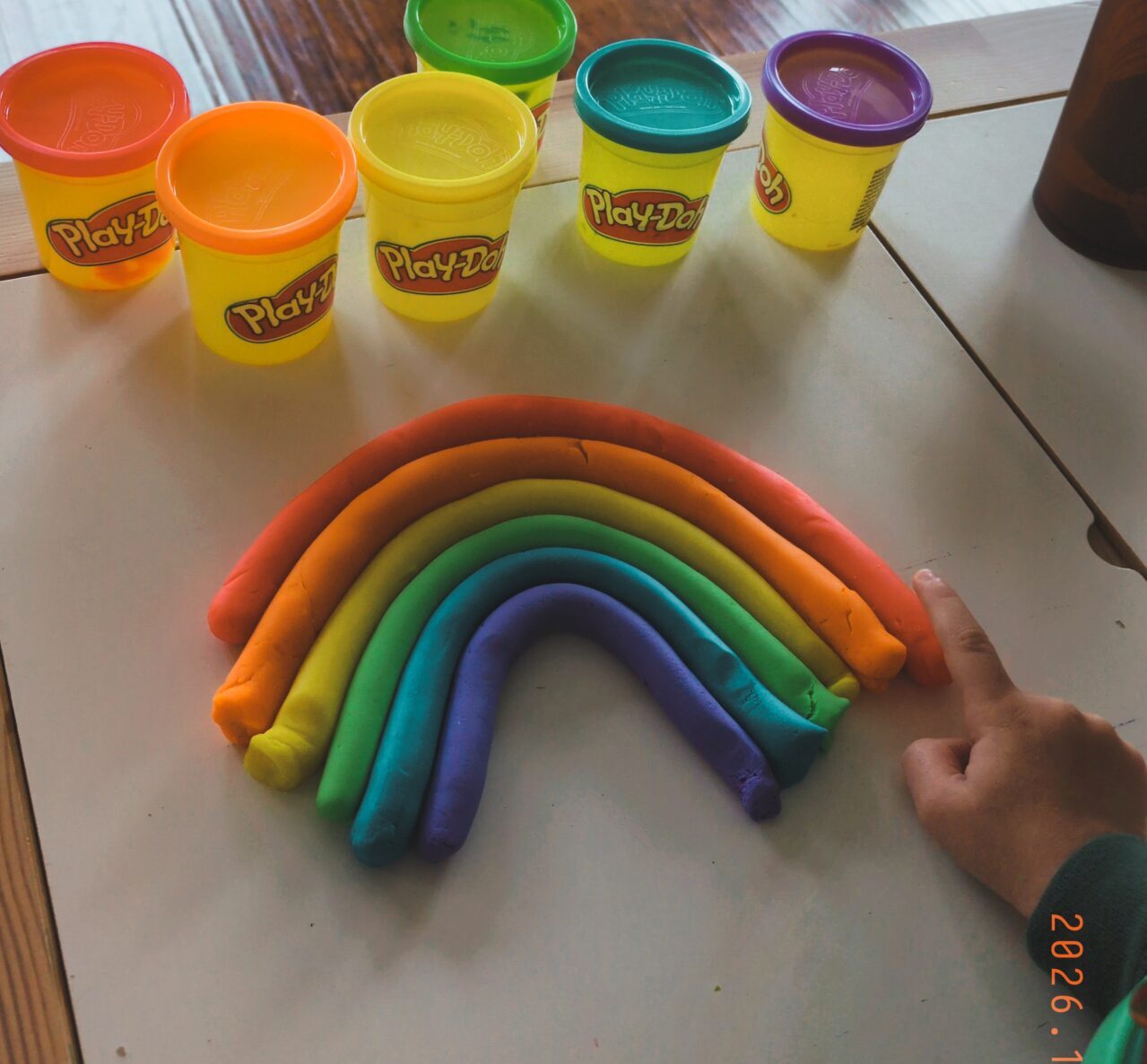
As a former educator, I learned quickly that some of the best learning tools are often the simplest ones. Play-Doh may look like just a fun sensory activity, but it can actually be used to teach a wide range of skills in a hands-on, engaging way. Anything from math to social-emotional learning, Play-Doh turns abstract concepts into something children can see, touch, and explore. In our home, it has become one of our favorite ways to make learning feel playful, creative, and developmentally appropriate for little learners!
Math With Play-Doh
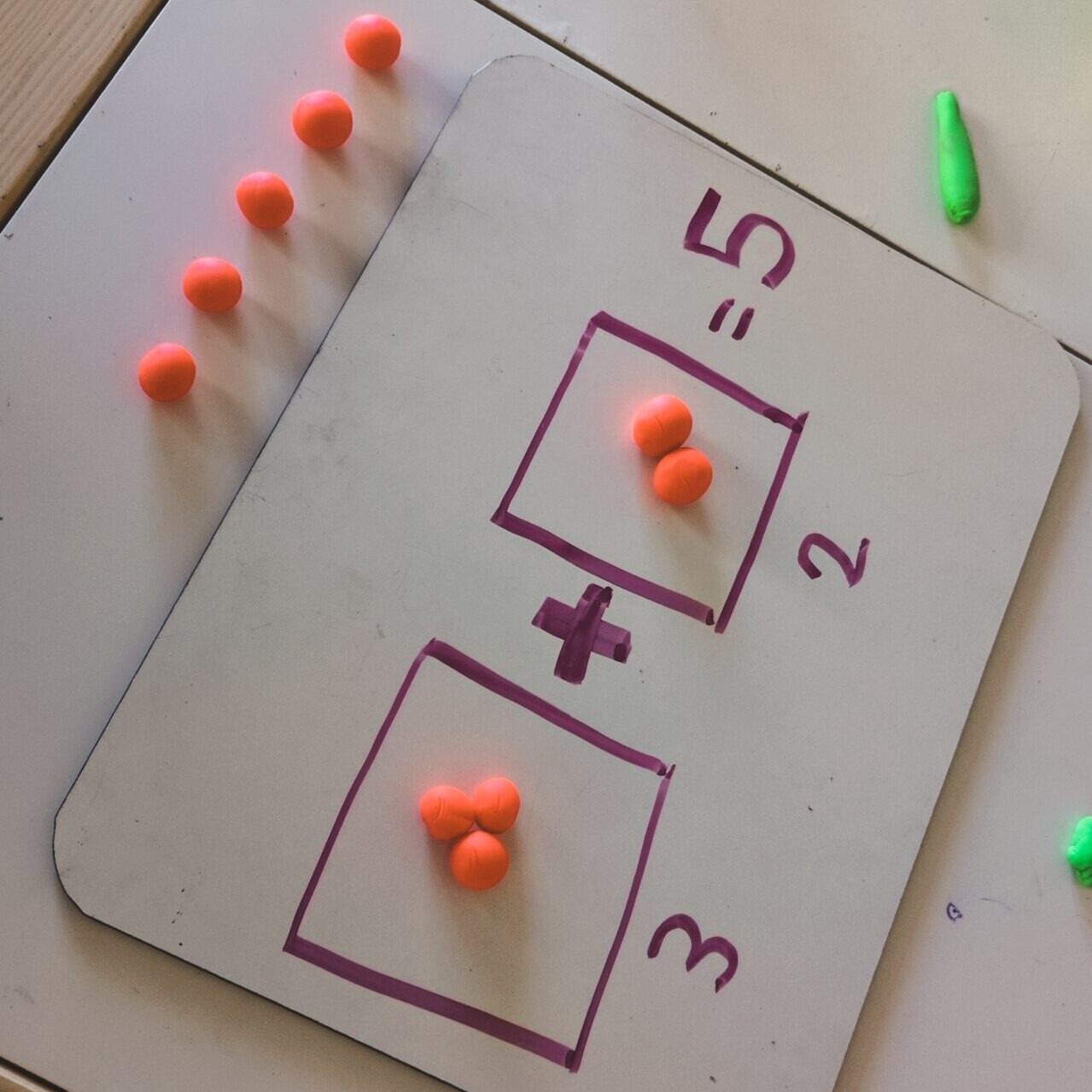
Math can be a troubling concept to introduce to young learners, especially without something physical to represent the numbers you’re working with. But, using Play-Doh allows you to create a variety of different visuals for varying math concepts. Here are a few ideas:
- Number Formation Practice
- Creating Counters
- Making Shapes
- Comparing Numbers
Science With Play-Doh
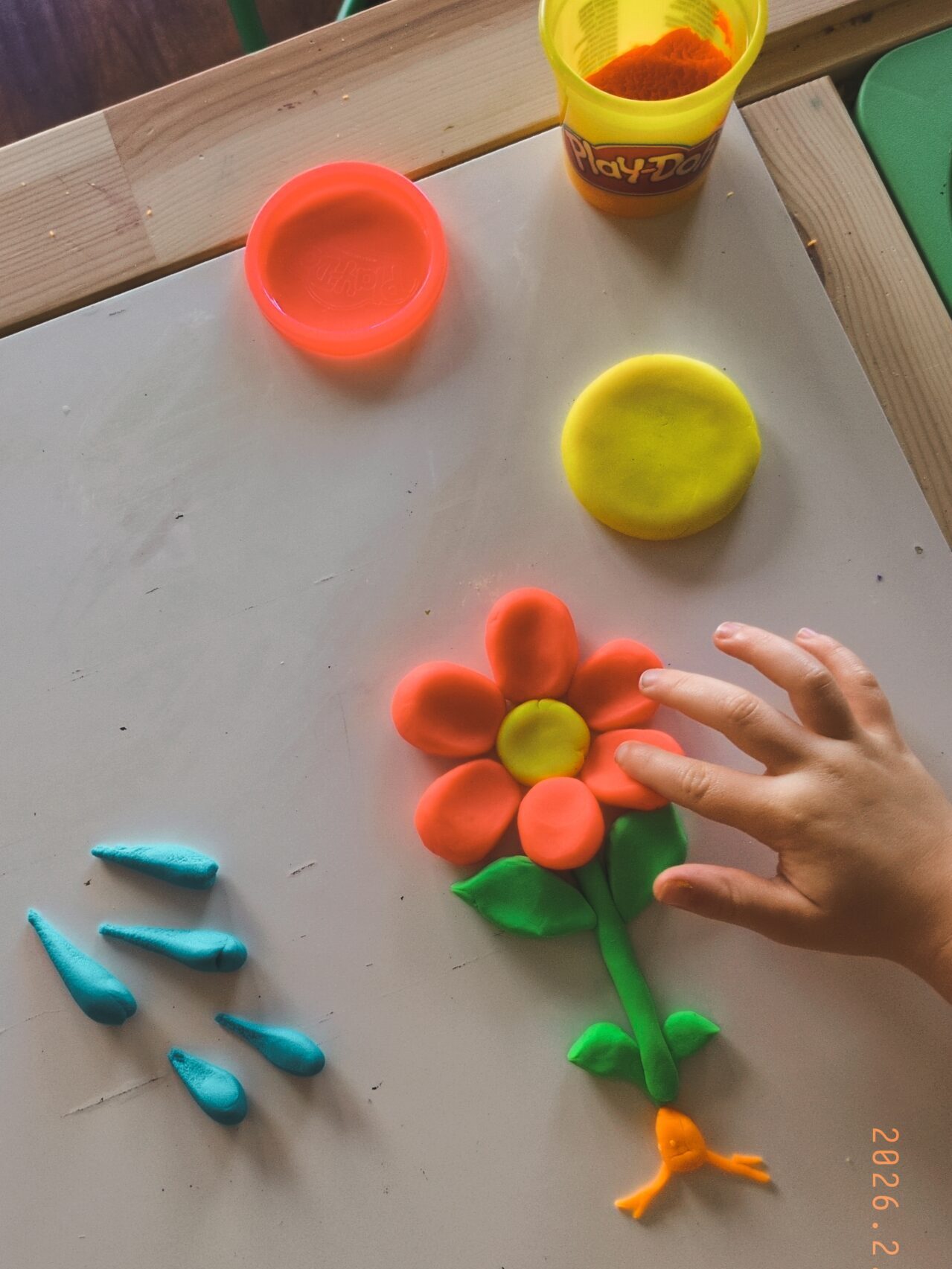
Science, on the other hand, is naturally full of hands-on experiences! The struggle I found though was in relation to key vocabulary words that would help explain what was happening in those hands-on science lessons. So, similarly to a teacher creating an anchor chart (which were some of my favorite things to do), we created physical illustrations of different science concepts using Play-Doh. That way our toddler could hold the “stem” or “roots” that we were learning about! Here are a couple of super easy science concepts that would pair well with a Play-Doh vocabulary-visual:
- Life Sciences
- Animal Habitats
- Weather
Literacy With Play-Doh
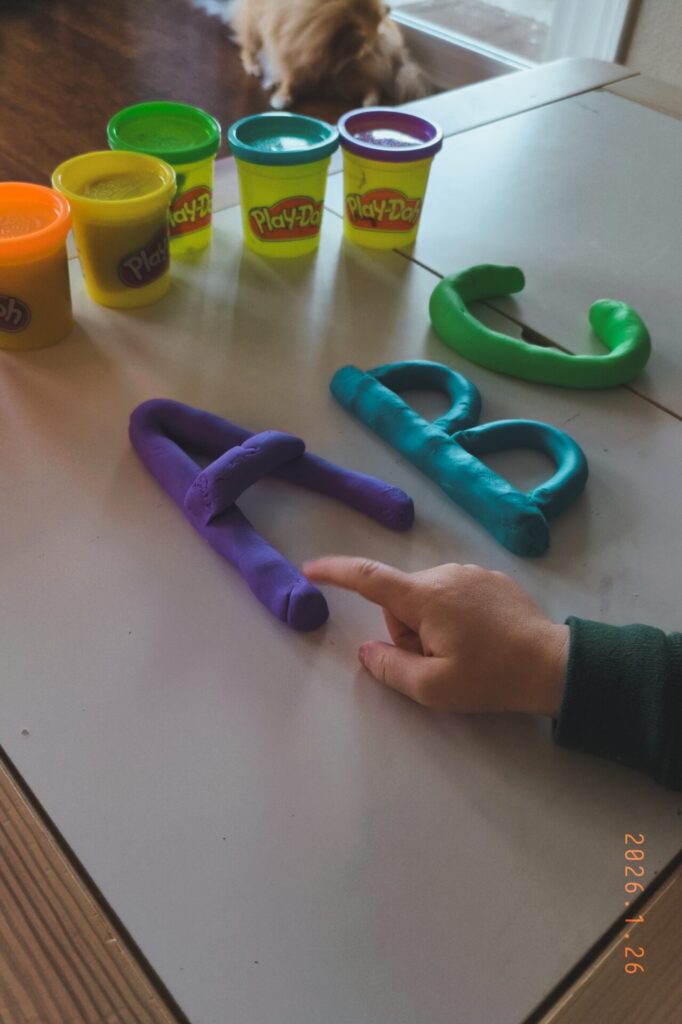
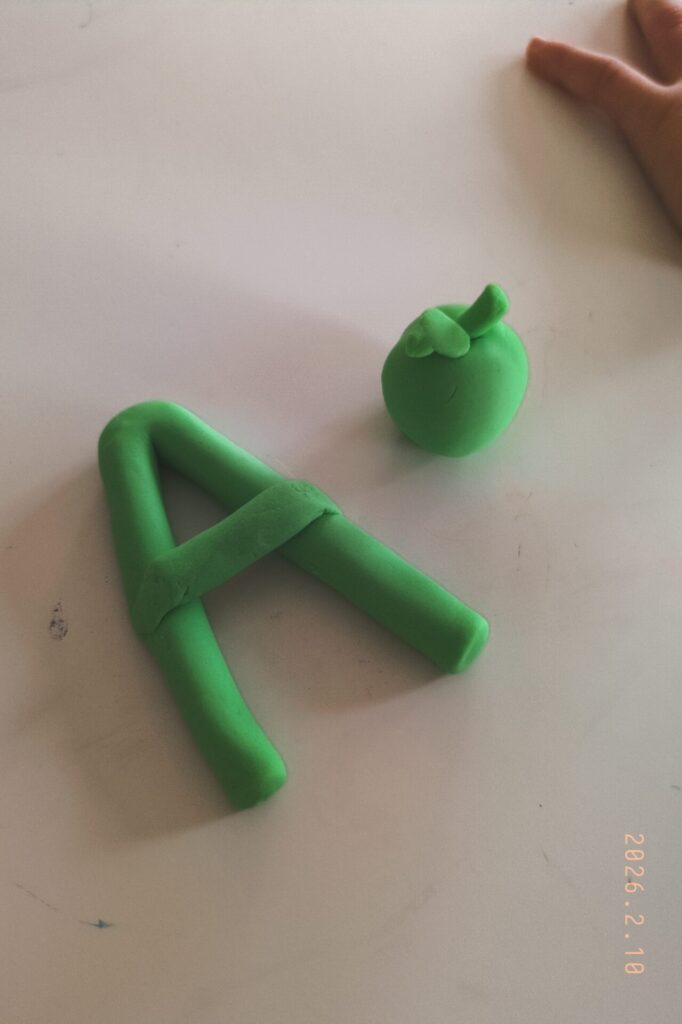
The word literacy covers a pretty wide range of foundational reading and writing concepts, and that can make it seem overwhelming to parents. But starting simple will benefit your little learners more than you can even imagine! Try out just a few of these early-literacy activities below, and you’ll see how simple they can be:
- Letter Formation
- Sight Word Creating
- Phonics Practice
- Storytelling
Social-Emotional Learning
This is one that I wish I would have thought of when I was an early elementary teacher!
Using Play-Doh to create and display different emotions was the perfect way to introduce SEL. Those beginning concepts of emotional understanding, regulation, and empathy are so important! (Especially with toddlers who are prone to having big emotions😜) The emotions that we started with were as follows:
- Happiness
- Sadness
- Fear
- Anger
- Excitement
*BONUS: Play-Doh is a great calming tool, which is another focus in SEL*
Fine Motor Skills
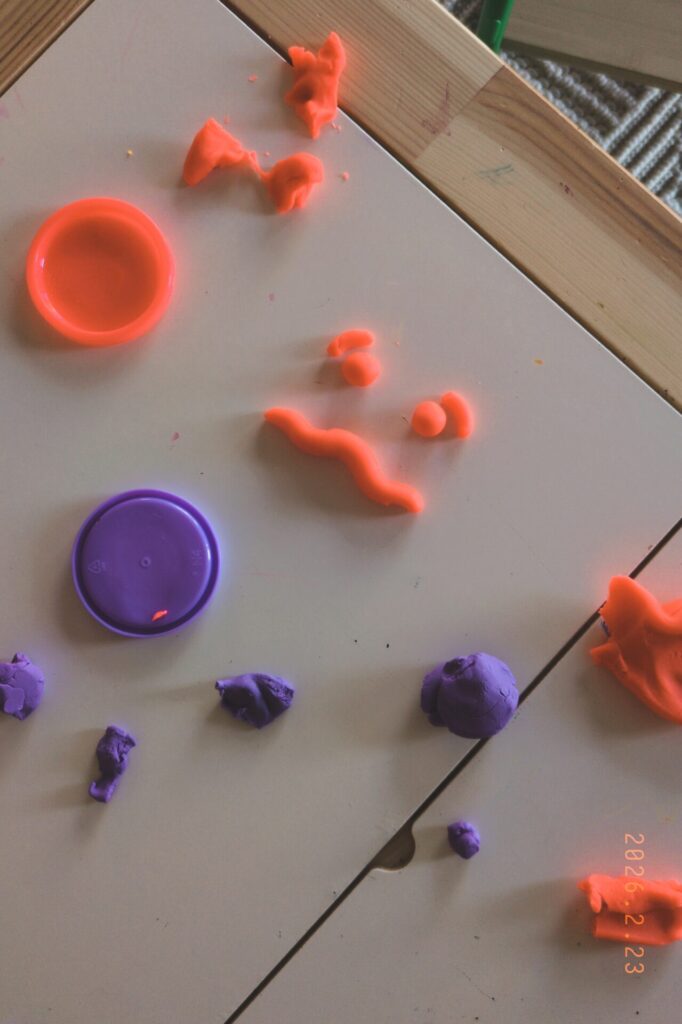
This one is most likely the simplest, but that doesn’t mean it’s not important! Those little hands are learning all sorts of new ways to move and groove, and Play-Doh is a great way to help them along. Here are some of the skills we get to practice:
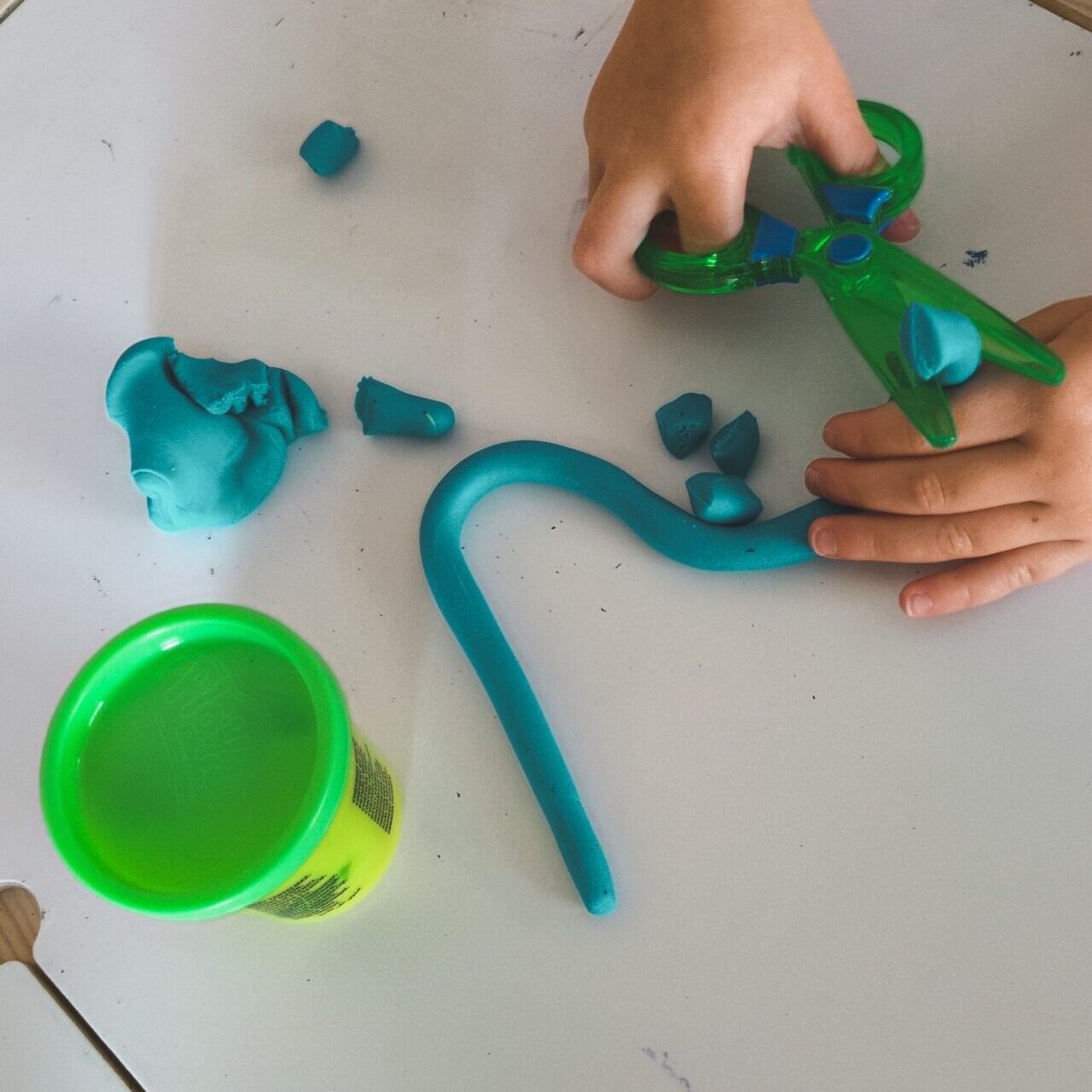
- Scissor Skills
- Manipulating Small Objects
- Rolling & Pinching
- Stacking
Don’t have Play-Doh lying around? You can grab some here!
Affiliate Disclaimer: I may earn a small commission if you purchase through these links, at no extra cost to you. Thanks for supporting my blog!
Final Thoughts
Play-Doh is proof that meaningful learning does not require expensive materials or complicated lesson plans! With a little creativity, one simple tool can support academic skills, fine motor development, imagination, and emotional growth all at once. Whether you’re homeschooling, teaching in a classroom, or simply looking for more intentional ways to play at home, Play-Doh offers endless opportunities for hands-on learning that children genuinely enjoy 💛
(PS – This post is not sponsored by Play-Doh) 😅
❤️ Until next time