Tidepool Adventures with Kids: What to Bring, What to Find, and What to Learn
Ever wondered how to turn a simple family beach day into a science-filled adventure? During our recent Pacific Northwest getaway, we found that exploring the coast wasn’t just relaxing — it became a living classroom for our toddler.

🌅 Why We Chose the Tidepools for our Toddler Adventure
Sometimes, all it takes is a change of scenery to spark curiosity in your child. A weekend at the ocean can do exactly that. Between the waves, rocks, and sea creatures, there’s so much for kids to touch, see, smell 😛 and explore.
After the rush of everyday life, we were craving a pause and some ocean air. Our family has been visiting the Pacific Northwest (PNW) for many years but this time, we visited through the eyes of a toddler; curious, wide-eyed, and ready to explore.
Whether you’re heading to Oregon, Washington, or Northern California, the tidepools are a great way to connect your child to nature and spark conversations about marine life.
🪣 What to Bring: Kid-Friendly Tidepool Essentials
Take it from us, tide pooling is best done when you’re prepared. Here’s a few simple items I’d recommend that can make your adventure smoother and more meaningful.
🔍 Magnifying Glass – This would be a really cool tool to use with older kiddos. The amount of tiny life going on at the bottom of the ocean is worthwhile!
🪣 Small Container or Clear Jar – Collect shells or observe a creature safely before releasing it back. (We learned the hard way that jacket pockets are not ideal.)
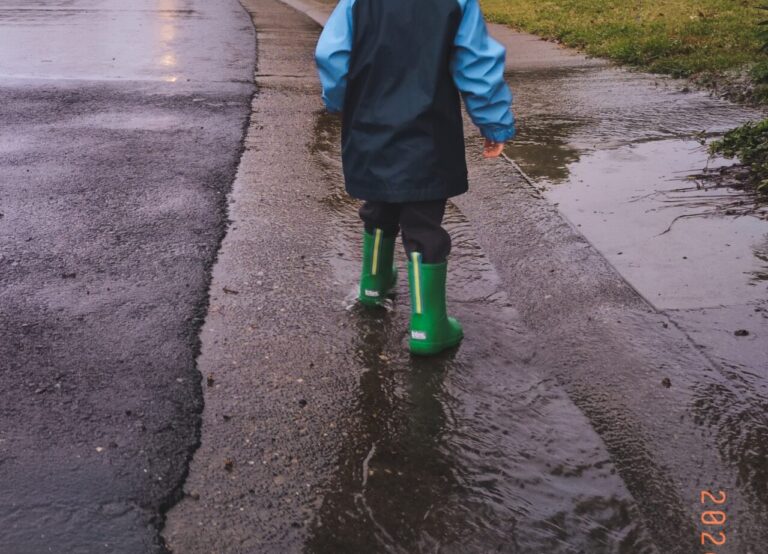
🧢 Layers and Water Shoes – The PNW beaches can be chilly, slippery, and messy but that’s part of the fun if you’re prepared!
🦀 What to Find: Ocean Treasures & Teachable Moments
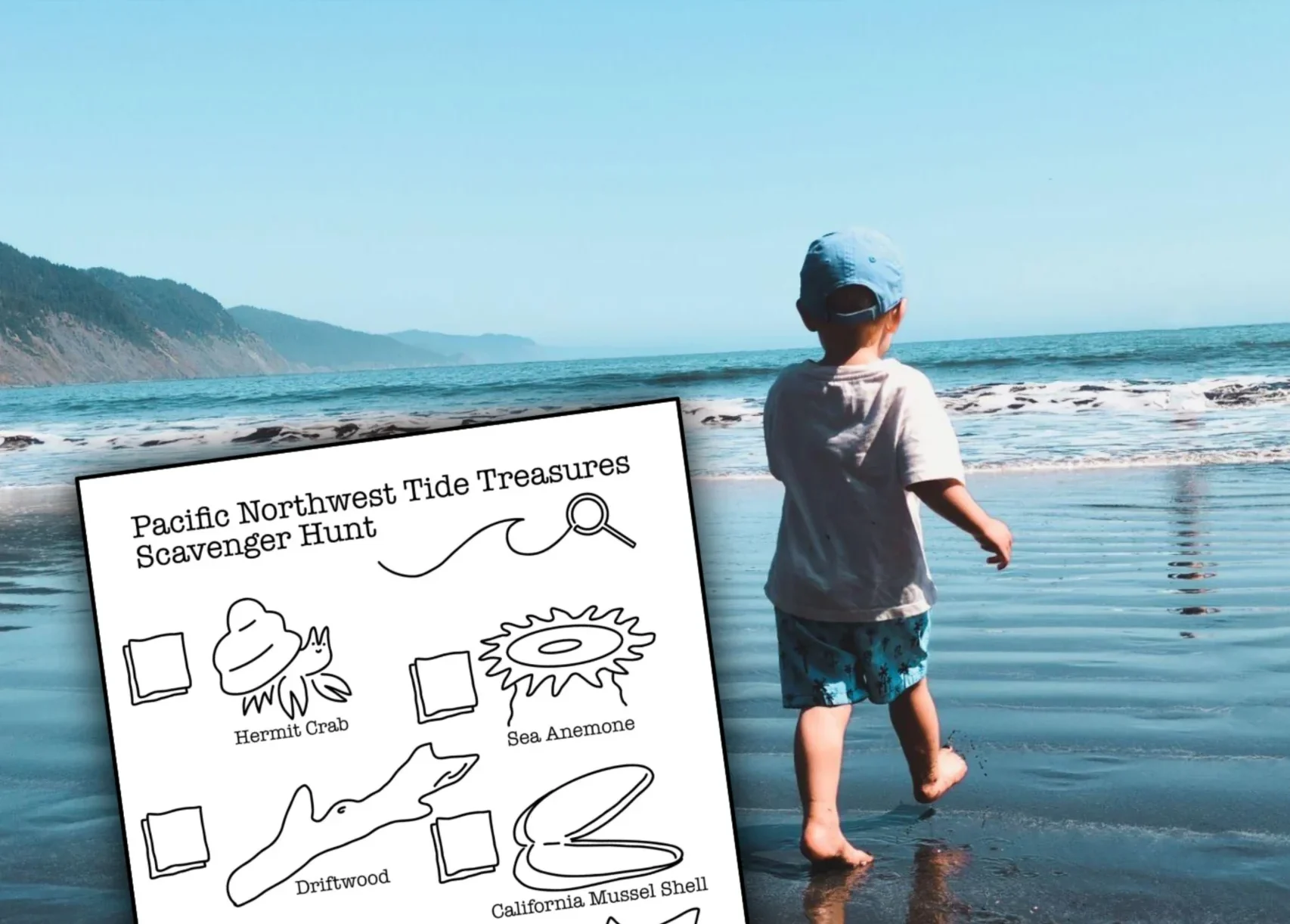
Knowing these tidepool environments from previous visits, I had made a simple Tidepool Scavenger Hunt Printable for us to test our “tide-treasure-tracking talents!” (Try saying that three times fast…)
The scavenger hunt gave us a purpose for exploring helping us slow down, observe, and talk about what we saw. The tidepools are full of creatures just waiting to be discovered.
Here’s what your little explorer might spot:
- Hermit Crabs — Perfect for talking about growth and change as they find new shells.
- Sea Urchins — Their spiny shells are fascinating to observe.
- Sea Anemones — Gently touch them to see how they respond (kids love this!)
- Barnacles and Snails — Great for building patience and observation skills.
- Kelp, Seaweed, and Algae — The foundation of the ocean ecosystem!

I’ve made this scavenger hunt available to download for free down below!
Our son was fascinated by the hermit crab, so later we talked about how hermit crabs change shells as they grow. That conversation reminded me of A House for Hermit Crab by Eric Carle, so when we got home, I checked our library and, lo and behold, it was available!

We’ve loved reading it to connect our real-world discoveries to story time back at home.
Affiliate Disclaimer: I may earn a small commission if you purchase through these links, at no extra cost to you. Thanks for supporting my blog!
🌊 What to Learn: Turning Exploration into Science
To make the most of your trip, make your moments intentional, like this:
- Observation: Ask your child what they notice about shapes, colors, and textures.
- Classification: Sort shells or animals by size, color, or movement.
- Storytelling: Let them name creatures or invent stories about what they see.
- Reflection: On the drive home, ask what their favorite discovery was and why.
These moments build vocabulary, curiosity, and a deeper connection to the natural world — without ever feeling like a “lesson.”
🧭 Quick Tips Before You Go
- Check tide times before visiting. Low tide = more discoveries!
- Stay safe: wet rocks are slippery, and it’s best to step on sand or solid rock.
- Leave no trace: observe, learn, and release everything you find.
- Keep it short: toddlers love adventure, but small bursts of activity work best for young minds.
Final Thoughts
Moments like these are the ones I’ll cherish forever. Seeing my little dude run around and enjoy this beautiful Earth makes the long drives, car crumbs, and sunburns all worth it.
If you’ve been looking for an outdoor activity that blends curiosity, learning, and connection the tidepools are for you. So next time you head to the coast, pack your sense of wonder (and maybe a magnifying glass). You never know what you’ll discover!
Until next time ❤️